
WHY YOUR BELLY FAT WON'T BUDGE (And the 1 Daily Habit That's Been Clinically Studied to Reverse It)

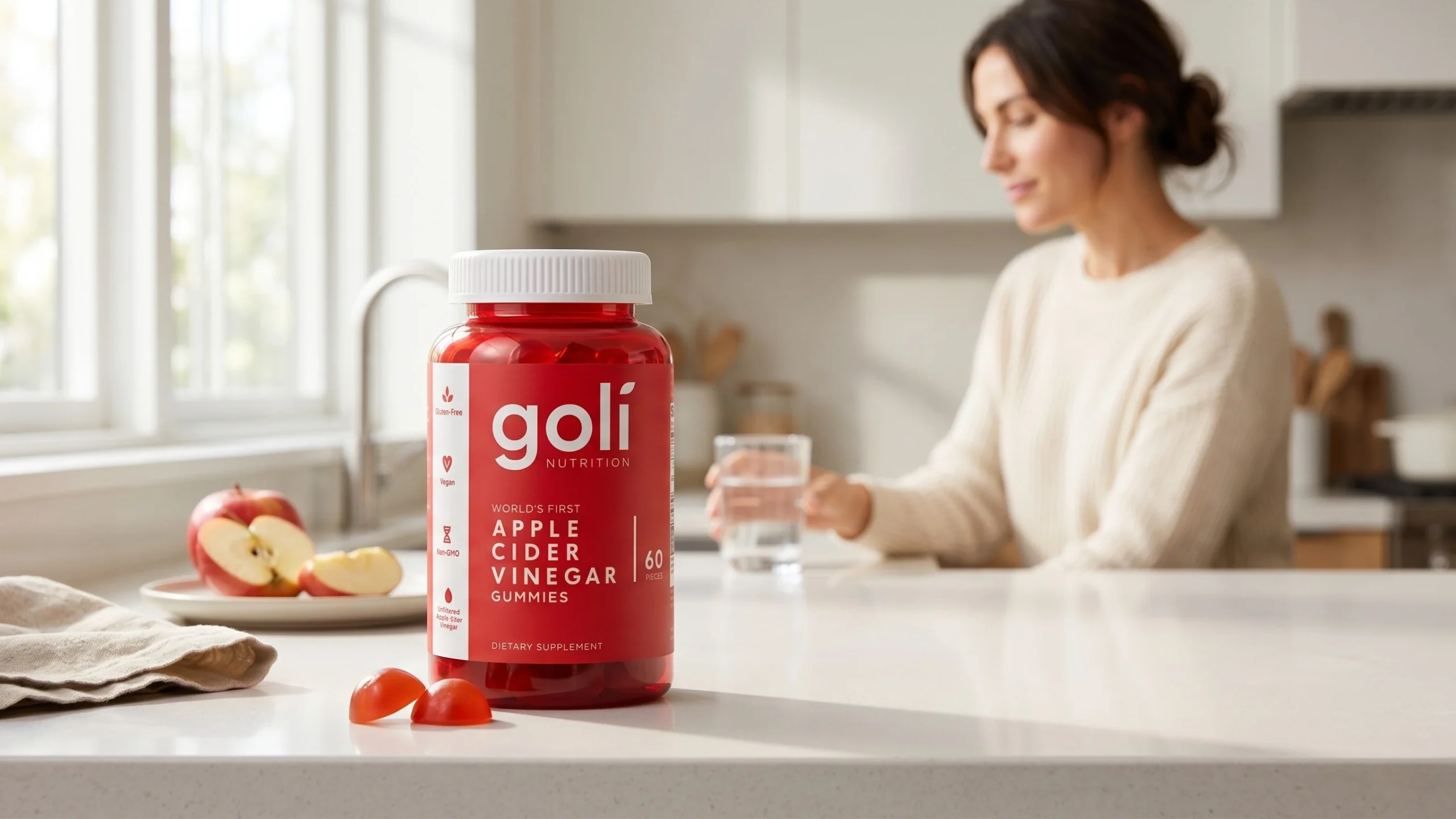
You've cleaned up your diet. You've cut back on portions. You might even be exercising more. And yet the fat around your midsection — the stubborn kind, the kind that doesn't respond to willpower — stays exactly where it is. This is not a discipline problem. It is a metabolic one. And the mechanism behind it is better understood than most people realize.
Not All Body Fat Is the Same
Subcutaneous fat sits just beneath the skin. It's visible, it jiggles, and while it's not aesthetically preferred, it's metabolically relatively inert. Visceral fat is different. It accumulates around the abdominal organs — the liver, pancreas, intestines — and it behaves like an active endocrine tissue, secreting inflammatory compounds and disrupting the hormonal signals that regulate hunger, energy, and fat storage.
Visceral fat is what makes "belly fat" resistant to the standard interventions. It doesn't respond to calorie restriction the way subcutaneous fat does. It responds to metabolic signals — specifically insulin and cortisol — and those signals are controlled not just by how much you eat, but by what, when, and how your body processes it.
This is why the conventional advice — eat less, move more — often doesn't work for this specific type of fat. It addresses energy balance but ignores the hormonal environment.
The Hidden Driver: Chronic Insulin Elevation
The central mechanism behind visceral fat accumulation is well-established in metabolic research: chronic insulin elevation.
Every time you eat carbohydrates, your blood glucose rises. Insulin is released to manage that glucose — shuttling it into cells for energy or, when cells are already full, converting it to fat for storage. In a healthy metabolic state, this cycle is efficient and self-regulating. The problem develops when blood sugar spikes frequently and sharply.
The foods that spike insulin fastest are often the ones marketed as healthy: fruit juice, whole grain bread, granola, flavored yogurt. These foods cause rapid glucose entry into the bloodstream, triggering large insulin responses. Over time, cells become less sensitive to insulin's signal — a state called insulin resistance.
"Elevated insulin has a direct fat-storage effect. It inhibits lipolysis — the breakdown of stored fat for energy — while simultaneously signaling the body to continue depositing fat, particularly around the abdomen."
What the Research Actually Shows
A 2009 randomized, double-blind, placebo-controlled trial published in Bioscience, Biotechnology, and Biochemistry (Kondo et al., PMID 19661687) followed 155 obese adults over 12 weeks. Subjects consumed either a low-dose vinegar beverage, a high-dose vinegar beverage, or a placebo daily.
The Results (Kondo et al. 2009 — 155 subjects, 12 weeks)
- check_circle Both vinegar groups showed statistically significant reductions in visceral fat area vs. placebo
- check_circle Body weight decreased by approximately 1.2–1.9 kg over 12 weeks
- check_circle Waist circumference and serum triglycerides also significantly reduced
- check_circle Placebo group showed no significant changes
The mechanism is well-characterized. Acetic acid — the primary active compound in apple cider vinegar — works through multiple pathways:
Slowing glucose absorption: Acetic acid delays gastric emptying, meaning carbohydrates enter the small intestine more slowly. This attenuates the speed of glucose absorption and blunts postprandial blood sugar spikes.
Inhibiting digestive enzymes: Acetic acid inhibits disaccharidase and alpha-amylase activity in the small intestine, directly slowing carbohydrate breakdown.
Improving insulin sensitivity: A 2004 study in Diabetes Care (Johnston et al., PMID 14694010) found vinegar ingestion improved post-meal insulin sensitivity in subjects with insulin resistance. A 2017 systematic review (Shishehbor et al., PMID 28292654) found significant reductions in both postprandial blood glucose AUC and insulin response.
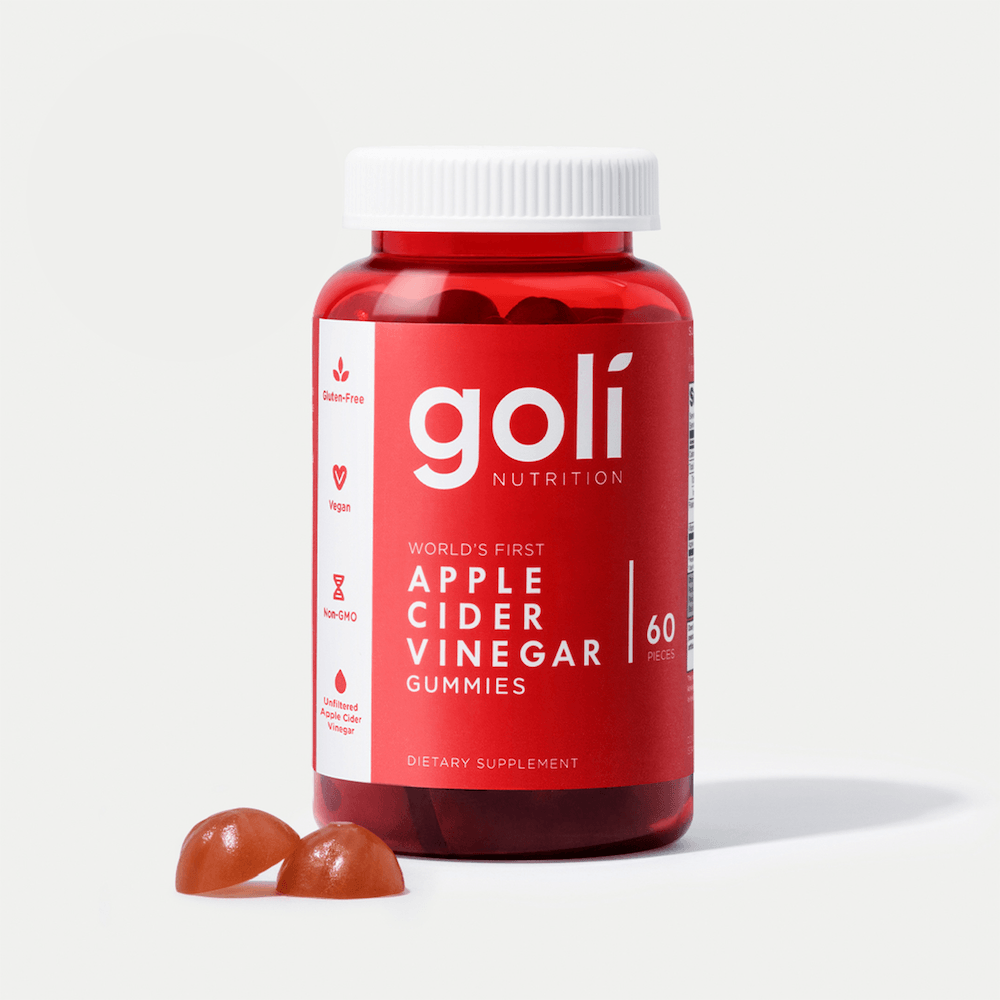
Goli® Apple Cider Vinegar Gummies
- check_circle 500mg ACV with the mother per serving (2 gummies)
- check_circle No harsh taste, no tooth enamel erosion risk
- check_circle Vegan, gluten-free, non-GMO, Kosher — Certified B Corp
- check_circle 30-day money-back guarantee
30-day money-back guarantee · Free shipping available · We earn a commission at no extra cost to you
Why ACV Gummies Make Sense
Liquid apple cider vinegar has three problems that prevent consistent use:
Taste: Undiluted ACV is intensely acidic and unpleasant. Most people who start with liquid ACV stop within weeks.
Tooth enamel: The acidity of liquid ACV erodes tooth enamel with regular use. Dentists consistently advise against drinking it directly.
Consistency: The habit friction of measuring, diluting, and drinking something unpleasant every day is high. And consistency is the variable that matters most — the Kondo study found that effects reversed during the 4-week post-treatment washout period.
Goli's ACV Gummies address all three. Each serving (2 gummies) delivers 500mg of apple cider vinegar with the mother in a pectin-based gummy — no harsh taste, no enamel risk, no friction. The formula also includes vitamin B12, folate, organic beetroot, and organic pomegranate, supporting energy metabolism alongside the ACV.
Certifications: vegan, certified gluten-free, non-GMO, Kosher, no preservatives, no artificial ingredients, manufactured in a cGMP-certified facility in the United States. Goli is a Certified B Corporation.
The Honest Take
Apple cider vinegar is not a weight loss drug. It does not override a poor diet, eliminate visceral fat overnight, or replace the fundamentals of metabolic health.
What the research supports: a daily acetic acid intake can measurably attenuate blood sugar spikes, improve insulin sensitivity over time, and — when sustained for 12 weeks in obese subjects — contribute to reductions in visceral fat area, body weight, and triglycerides.
It works best for people who:
- arrow_rightCan't tolerate the taste or dental risk of liquid ACV
- arrow_rightWant metabolic support without a complete dietary overhaul
- arrow_rightAre already making dietary improvements and want a research-backed complement
- arrow_rightNeed a format that's habit-friendly enough to sustain for 8–12 weeks
Verified Experiences
"I've tried liquid ACV before and could never stick with it because of the taste — every morning felt like a punishment. Switched to these and I've been consistent for two months straight without thinking about it. I've noticed I feel fuller after meals and I'm reaching for afternoon snacks less. Down about 6 pounds since I started."
— Review via Amazon
"Started these because I wanted something to help with post-meal blood sugar management — my doctor had flagged pre-diabetic markers. Two months in and my energy after lunch has stabilized noticeably, the 2pm crash is much less dramatic. I also lost about 4 pounds without intentionally dieting."
— Review via iHerb
"I was skeptical because I'd written off ACV supplements as overhyped. But the research on acetic acid and blood sugar is actually real — I looked into it before buying. A month in: less bloating after meals, better appetite control, and I feel less driven to snack in the evenings. Not a magic pill but a solid daily habit that seems to do what it claims."
— Review via Amazon
Clinical Q&A
How long before I see results? expand_more
Will this make me lose weight without changing my diet? expand_more
Are there any side effects? expand_more
Can I take these alongside the Goli Probiotic? expand_more
What's the return policy? expand_more
Add the Habit That Works With Your Metabolism
Clinically studied acetic acid. Habit-friendly format. 30-day guarantee.
30-day money-back guarantee · Free shipping available · We earn a commission at no extra cost to you